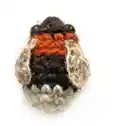
🧢 Beautiful ✨ Detailed πŸ’ Adorable

Crochet Bumblebees Amigurumi Pattern

Crochet Bumblebees Amigurumi Pattern
4.4β˜… Rating
1.5-2 Hours Time Needed
2.5K Made This
βœ‚οΈ

Intermediate Level

Ideal for those with basic knitting experience, featuring slightly more advanced stitches and techniques to expand your skills.

⏱️

Bite-Sized Project

Complete in under 2 hoursβ€”quick, fun, and perfect for a little creative escape.

🎁

Tiny Treasure

Small, sweet, and gift-worthy creations that fit perfectly in the palm of your hand with detailed charm.

About This Crochet Bumblebees Amigurumi Pattern

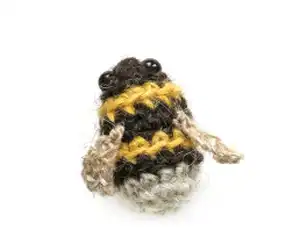
This bumblebee pattern was created by Sonja van der Wijk and features four distinct species with authentic color patterns. Each bee measures approximately three inches long when made with recommended fuzzy worsted weight yarn, creating realistic texture that mimics actual bee fuzz. The pattern uses clever color-carrying techniques to create neat stripes without excessive weaving of ends. Special attention is given to eye placement and wing attachment, ensuring each bee has proper proportions and natural positioning that captures the essence of these beloved pollinators.

Crochet Bumblebees Amigurumi Pattern crochet pattern - detailed view of completed project

The pattern includes innovative construction methods like closing rounds with slip stitches for cleaner color changes and working in back loops only for dimensional striping effects. Delicate wings made from lace weight yarn add authentic finishing touches to these charming miniature insects.

Why You'll Love This Crochet Bumblebees Amigurumi Pattern

I absolutely adore this pattern because it celebrates the incredible diversity of bumblebees while remaining beautifully simple to execute! The fact that you can create four different species from one base pattern means endless creative possibilities without learning entirely new techniques each time. I love how the fuzzy yarn recommendation transforms these from ordinary amigurumi into realistic, tactile little creatures that truly capture bee texture. The small size makes them perfect for quick gifts, and I appreciate how the pattern teaches color-carrying techniques that minimize ends to weave in. What really captivates me is the attention to authentic details like the wing placement and species-specific color patterns - it shows respect for nature while creating adorable art!

Crochet Bumblebees Amigurumi Pattern step 1 - construction progress Crochet Bumblebees Amigurumi Pattern step 2 - assembly progress Crochet Bumblebees Amigurumi Pattern step 3 - details and accessories Crochet Bumblebees Amigurumi Pattern step 4 - final assembly and finishing

Switch Things Up

I love creating variations of these bumblebees by experimenting with different fuzzy yarn textures! Try using eyelash yarn or brushed alpaca for even fluffier bees, or chenille yarn for a velvety soft alternative. Each texture changes the character completely while maintaining that adorable bee shape.

Consider making an entire pollinator garden by adapting the pattern for different bee species beyond the four included. Research carpenter bees, mining bees, or mason bees and adjust the color patterns accordingly. You could create an educational display that teaches about bee biodiversity in your local ecosystem.

The wings offer wonderful opportunities for creativity - try using shimmery thread, iridescent organza ribbon, or even translucent plastic sheets cut into wing shapes. Some crafters paint white fabric wings with pearl nail polish for beautiful light-catching effects that mimic real bee wing shimmer.

Scale variations work beautifully with this pattern. Use bulky fuzzy yarn with a larger hook to create jumbo bumblebees for dramatic displays, or try thread crochet with steel hooks for truly miniature specimens perfect for jewelry or tiny terrariums.

I sometimes embroider tiny details like segmented legs using black embroidery floss, or add antennae from wire wrapped in matching yarn. These small anatomical touches increase the educational value while maintaining the adorable aesthetic that makes these bees so irresistible to makers and recipients alike.

Common Mistakes & How to Fix Them

βœ— Not using fuzzy yarn results in bumblebees that lack the characteristic fluffy texture that makes them look realistic and bee-like βœ— Forgetting to mark eye placement stitches in round three before continuing makes it extremely difficult to attach eyes symmetrically later βœ— Pulling carried yarn too tightly between color changes causes the body to pucker and distort the rounded bee shape βœ— Attaching wings too low on the body instead of behind the head on round three creates unnatural positioning and poor proportions

Crochet Bumblebees Amigurumi Pattern

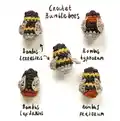
Create an enchanting collection of realistic bumblebees with this delightful amigurumi pattern! This comprehensive guide teaches you to crochet four different bumblebee varieties: white-tailed, red-tailed, tree, and early bumblebees, each with their unique color patterns and characteristics. At just three inches long, these adorable fuzzy friends are perfect for nature lovers, bee enthusiasts, or anyone who appreciates tiny handmade treasures. The pattern includes detailed instructions for delicate wings and realistic color changes that bring these precious pollinators to life in miniature form.

Intermediate 1.5-2 Hours

Materials Needed for Crochet Bumblebees Amigurumi Pattern

β€” Main Fabric

  • 01
    Worsted weight fuzzy yarn in black or mixed black (Istex Lètt lopi recommended)
  • 02
    Worsted weight yarn in yellow for striping
  • 03
    Worsted weight yarn in orange for specific bee varieties
  • 04
    Worsted weight yarn in light grey for tail sections
  • 05
    Lace weight yarn in beige heather (Lopi Einband 0886) for wings

β€” Tools Required

  • 01
    E US / 3.5mm crochet hook
  • 02
    Scissors
  • 03
    Embroidery needle
  • 04
    Stitch markers or paper clips
  • 05
    7mm animal safety eyes
  • 06
    Fibrefill stuffing

Progress Tracker

0% Complete

β€” White-Tailed Bumblebee Body :

Info :

Start in black, change colour when indicated. Close each round with sl st instead of working in spiral. At end of each round: sl st in first sc of next round, then ch 1 and sc in that same stitch. Don't cut yarn between colour changes but carry it along

Round 1 :

Magic ring of 4 (4)

Round 2 :

(sc in next, 2 sc in next) x 2 (6)

Info :

Mark the stitches of round 3 where you'll make the 2nd and 6th stitch with coloured strand for eye placement later

Round 3 :

(sc in next 2, 2 sc in next) x 2, change colour to yellow in last st, sl st in 1st (8)

Round 4 :

ch 1, sc in same, [2 sc in next, (sc in next, 2 sc in next) x 3] in BLO, change colour to black in last, sl st in 1st (12)

Round 5 :

ch 1, sc in same, [sc in next 11] in BLO, sl st in 1st (12)

Info :

Attach eyes permanently in marked spots. Turn piece inside-out when attaching caps. Insert a little stuffing between eyes

Round 6 :

ch 1, sc in same, sc in next 11, change colour to yellow in last st, sl st in 1st (12)

Round 7 :

ch 1, sc in same, [sc in next 11] in BLO, change colour to black in last and cut yellow, sl st in 1st (12)

Round 8 :

ch 1, sc in same, [sc in next 11] in BLO, change colour to light grey in last and cut black, sl st in 1st (12)

Round 9 :

ch 1, sc in same, [sc in next 11] in BLO, sl st in 1st (12)

Round 10 :

ch 1, sc in same, s2tog, (sc in next, s2tog) x 3, sl st in 1st (8)

Info :

Stuff the bumblebee

Round 11 :

ch 1, sc in same, sc in next, s2tog, sc in next 2, s2tog, sl st in 1st (6)

Info :

Add stuffing if needed. Sew hole closed by putting needle from inside out through all outside loops of the 6 st clockwise. Pull end to close gap. Ensure oval bottom shape

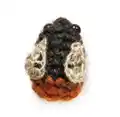
β€” Red-Tailed Bumblebee Body :

Round 1-3 :

Follow white-tailed bee instructions but skip sl st and ch 1, don't change colour to yellow in round 3

Round 4 :

In BLO: (sc in next, 2 sc in next) x 4 (12)

Round 5 :

sc in each around (12)

Info :

Attach eyes in marked spots

Round 6-7 :

sc in each around (12)

Round 8 :

sc in each around, change colour to orange in last and cut black, sl st in 1st (12)

Round 9 :

ch 1, sc in same, sc in next 11, sl st in 1st (12)

Round 10-11 :

Follow white-tailed bumblebee instructions

β€” Tree Bumblebee Body :

Round 1-3 :

Follow white-tailed bumblebee instructions, change colour to orange instead of yellow

Round 4 :

ch 1, sc in same, [2 sc in next, (sc in next, 2 sc in next) x 3] in BLO, sl st in 1st (12)

Round 5 :

ch 1, sc in same, sc in next 11, change colour to black in last st and cut orange, sl st in 1st (12)

Info :

Attach eyes in marked spots

Round 6 :

ch 1, sc in same, [sc in next 11] in BLO, sl st in 1st (12)

Round 7 :

ch 1, sc in same, sc in next 11, sl st in 1st (12)

Round 8 :

ch 1, sc in same, sc in next 11, change colour to light grey in last and cut black, sl st in 1st (12)

Round 9 :

ch 1, sc in same, [sc in next 11], sl st in 1st (12)

Round 10-11 :

Follow white-tailed bumblebee instructions

β€” Early Bumblebee Body :

Info :

Follow instructions for white-tailed bumblebee, but make the bottom in orange instead of light grey

β€” Wings :

Info :

Make two for each bumblebee using lace weight yarn with same hook. If using Lopi yarn without Einband weight, split a lopi strand in half. Make starting chain long enough to use both ends for attaching

Round 1 :

ch of 6, in 3rd ch from hook dc, dc in same, hdc in next, sc in next, sl st in next and leave yarn ends for sewing

Info :

Use both yarn ends to sew wings to body on top of third round behind head. Head ends at first round you do in BLO

Assembly Instructions

  • Mark eye placement stitches in round 3 (positions 2 and 6) with colored strands before continuing to crochet
  • Turn the piece inside-out when attaching safety eye backs for easier installation and neater finish
  • Insert small amount of stuffing between the eyes after securing them to create proper facial structure
  • Stuff the body firmly before beginning decrease rounds to maintain proper bee shape and prevent sagging
  • Close the final opening by threading needle through all six outer loops clockwise and pulling tight to create neat oval bottom
  • Make two wings per bee using lace weight yarn, leaving long tails from the starting chain for attachment
  • Sew wings on top of round three behind the head where the back loop only section begins, using both yarn ends for security

Important Notes

  • πŸ’‘This pattern is copyrighted by Sonja van der Wijk and may not be copied, distributed, or sold without permission
  • πŸ’‘Fuzzy yarn is strongly recommended to achieve realistic bumblebee texture and appearance
  • πŸ’‘Finished bees measure approximately 3 inches or 5 cm long when using recommended worsted weight yarn
  • πŸ’‘Pattern uses color-carrying technique instead of cutting yarn to minimize ends and create neater color transitions
  • πŸ’‘Always change color in the last loop of a stitch so the next stitch appears in the new color
  • πŸ’‘Each round closes with slip stitch instead of spiral working for cleaner color change lines
  • πŸ’‘Experiment with different safety eye sizes based on your yarn choice and personal crochet tension
  • πŸ’‘Visit Son's Popkes website for additional tips and tricks related to this pattern

These charming bumblebee patterns were designed by Sonja van der Wijk to celebrate the diversity and beauty of real bumblebee species! The collection includes four authentic varieties with species-specific coloring that nature enthusiasts will appreciate. The small size and quick construction make these perfect for using up yarn scraps while creating meaningful gifts for gardeners, teachers, or bee conservation supporters. With delicate wings and fuzzy bodies, these tiny treasures capture the essence of nature's most beloved pollinators in adorable miniature form. Buzz into your next project with these delightful bees! 🐝🧢✨

You ask,

we answer.

FAQs

What makes fuzzy yarn so important for this pattern?

Fuzzy yarn creates the realistic fluffy texture that actual bumblebees have. Regular smooth yarn will create neat amigurumi, but won't capture that authentic bee fuzz. The pattern specifically recommends Istex Lètt lopi 100% wool for this textural effect.

How do I carry yarn along without it showing through?

Keep the carried yarn inside the work as you crochet over it with the current color. Don't pull it too tightly or the body will pucker. The color changes happen frequently enough that carrying works better than cutting and creates much less weaving.

Can I make the wings from regular worsted weight yarn?

The pattern specifically calls for lace weight yarn to create delicate, proportionate wings. Using worsted weight would make wings too bulky for the tiny 3-inch bee body. If you don't have Lopi Einband, try splitting a strand of your worsted yarn in half.

Why does the pattern close rounds instead of working in a continuous spiral?

Closing rounds with slip stitches creates much neater color change lines, which is essential for the striped bee pattern. While spirals work great for solid colors, the slip stitch method prevents the color changes from appearing jagged or stepped.

How many bees can I make from one skein of each color?

The pattern notes that leftover bits are enough for the colored sections, so you can make many bees from standard skeins. Each bee uses very small amounts of yellow, orange, and grey, with black being the primary color used.