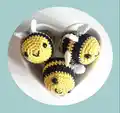
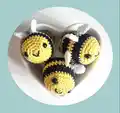
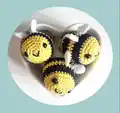
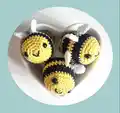
About This Crocheted Bumblebee Keyring Amigurumi Pattern
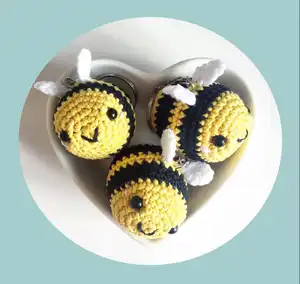
With clear round-by-round instructions and straightforward color changes, you'll find this project enjoyable from start to finish. The finished bee is small enough to take on the go but detailed enough to showcase your growing crochet skills.
Why You'll Love This Crocheted Bumblebee Keyring Amigurumi Pattern
I absolutely love this bumblebee pattern because it's one of those projects that brings instant joy without requiring a huge time commitment. The color changes between yellow and black create those iconic bee stripes that are so recognizable and cheerful. I appreciate how the pattern includes those sweet little details like the pink cheeks and V-shaped smile that give the bee so much character. The addition of wings and a hanging loop makes it practical too, so it's not just cute but functional as a keyring or bag charm. Plus, the option to add dried lavender inside is such a lovely touch that turns this into a multi-sensory gift.
Switch Things Up
I love experimenting with this bumblebee pattern by changing up the colors to create different bee varieties or even transforming it into other insects entirely. You could swap the yellow for white and the black for red to make a adorable ladybug keyring instead. Or try using pastel colors like mint green and soft pink for a whimsical fantasy bee that doesn't exist in nature but looks absolutely charming.
Another fun variation I enjoy is adjusting the wing size and shape – try making them larger and more prominent, or even adding a second layer of wings in a slightly darker shade for dimension. You could also embroider different facial expressions to give each bee its own personality, from sleepy eyes to surprised looks.
For a more textured approach, I sometimes use fuzzy yarn for the yellow stripes to give the bee a soft, fluffy appearance that's extra cuddly. The chain length can also be customized – make it shorter for a zipper pull or longer for a bag charm. Adding small embroidered details like tiny flowers or hearts on the wings can make each bee truly unique and personal.
Common Mistakes & How to Fix Them
✗ Forgetting to place safety eyes before stuffing completely can make it difficult to secure them properly through dense filling
✗ Not leaving long enough tails when fastening off wings and chain makes assembly frustrating and weak at attachment points
✗ Inconsistent tension during color changes creates lumpy stripes instead of smooth transitions between yellow and black sections
✗ Placing wings too close together or too far apart disrupts the bee's proportions and makes it look unbalanced overall