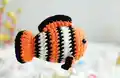
About This Nemo Clown Fish Amigurumi Pattern
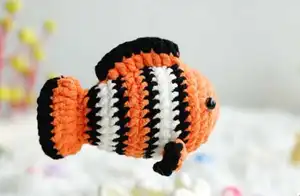
The strategic placement of safety eyes and the careful shaping from round body to flat tail creates an instantly recognizable clownfish silhouette. This pattern showcases how thoughtful construction techniques can minimize finishing work while maximizing visual impact.
Why You'll Love This Nemo Clown Fish Amigurumi Pattern
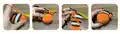
I'm absolutely in love with this clown fish pattern because the no-sew construction is pure genius and makes the whole process so much more enjoyable! There's something incredibly satisfying about watching those color changes create Nemo's iconic stripes as you work, with no loose ends to weave in along the way. I appreciate how quickly this project comes together with super bulky yarn—you can literally finish an entire fish in one sitting and still have time to admire your work. The technique of picking up stitches for the fins is such a clever detail that eliminates the tedious sewing process most amigurumi requires. Plus, the finished result is so recognizable and charming that it always gets enthusiastic reactions from both kids and adults who instantly see Nemo come to life in your hands!
Switch Things Up
I love experimenting with this clown fish pattern by creating different species variations using alternative color combinations! Try swapping the orange for yellow and white to create a different clownfish species, or go wild with bright pink and purple for a fantasy tropical fish that looks like it swam straight out of a coral reef dream.
For a more realistic touch, consider adding surface crochet details or embroidered scales along the body sections using contrasting yarn colors. Some crafters even add small pectoral fins on the sides by picking up just a few stitches and working tiny fan shapes, giving the fish more dimensional detail and movement.
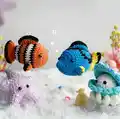
You could create an entire Finding Nemo collection by adapting the basic body shape—make Dory by using blue and yellow yarn with a slightly flatter body shape, or create Marlin with deeper orange tones and more prominent fins. I've seen gorgeous versions where makers added glitter or sparkle yarn during the color changes for fins that shimmer like they're underwater. Don't forget you can also adjust the size dramatically by using different yarn weights—try fingering weight yarn with a tiny hook for adorable keychain versions, or go even bulkier for a huge statement pillow fish!
Common Mistakes & How to Fix Them
✗ Forgetting to stuff the body before crocheting the two sides together in row 18 leaves you unable to add filling later
✗ Not counting stitches carefully during color changes causes the stripe pattern to shift and become misaligned throughout the body
✗ Pulling yarn too tightly during color transitions creates puckering and visible gaps between the orange, black, and white sections
✗ Positioning dorsal fins incorrectly or unevenly on the body disrupts the clownfish silhouette and makes it look unbalanced